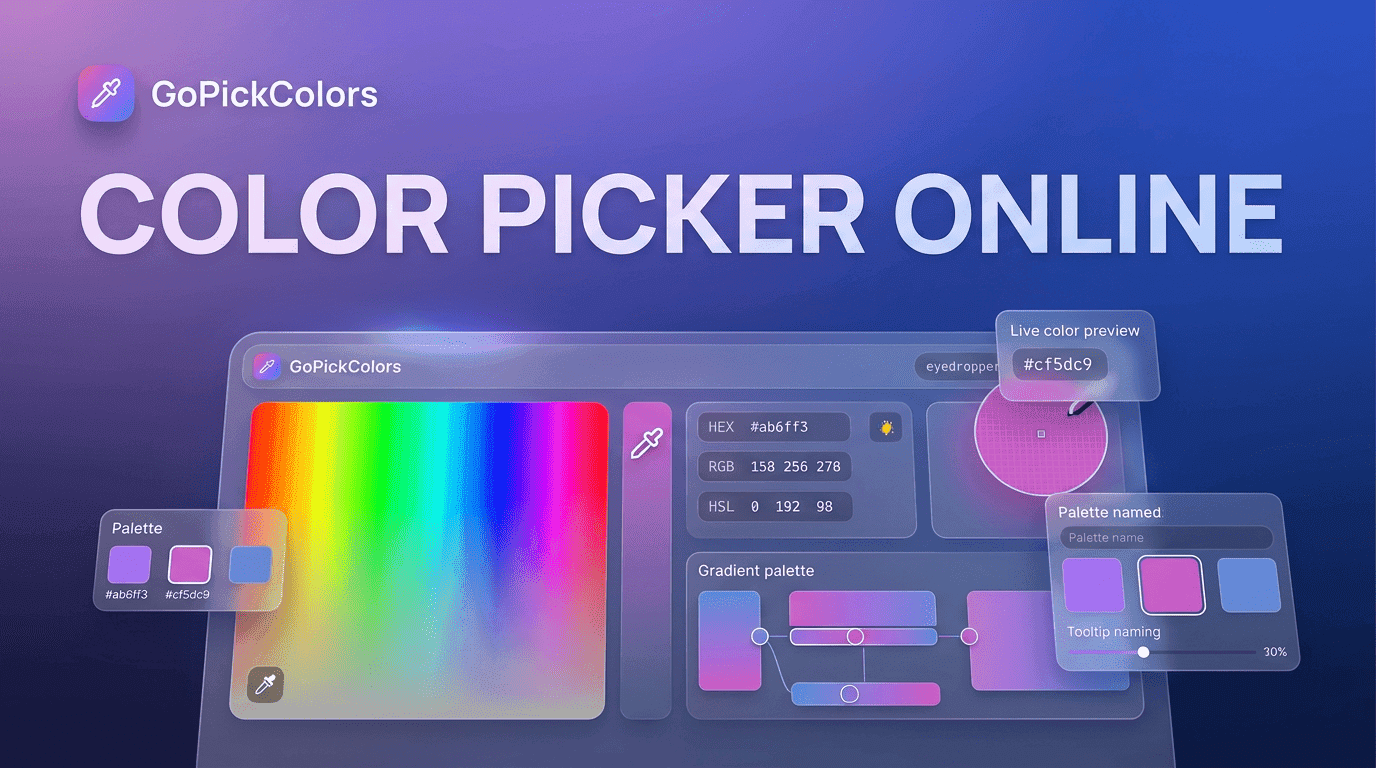
Color is no longer just a visual choice in digital design it is a system that drives emotion, usability, and brand identity. In modern UI/UX workflows, precision in color selection directly impacts how users perceive products. This is why tools like Color Picker Online have become essential starting points for designers who need speed and accuracy in their workflow.
However, today’s design ecosystem has evolved far beyond basic color selection. Professionals now require intelligent tools that support accessibility, real-time extraction, palette generation, and design system integration. This shift has given rise to next-generation platforms that extend far beyond traditional picking tools.
Even though Color Picker Online remains a widely used entry point for many designers, the modern workflow depends on deeper, smarter, and more connected systems that support end-to-end design creation.
Why Modern Designers Still Start With Color Picker Online
Most designers begin their creative process with Color Picker Online because it is simple, fast, and accessible without installation. It allows instant extraction of HEX and RGB values from images, websites, or design references.
This quick accessibility makes it ideal during early inspiration phases. Designers often use Color Picker Online while analyzing competitor websites, identifying brand inspirations, or capturing visual references during research.
However, this stage is only the beginning. As projects evolve into structured UI systems or branding frameworks, designers move toward more advanced tools that provide consistency, scalability, and system-level thinking.
The real value of Color Picker Online lies in initiating the creative process not completing it.
Evolution of Color Tools in Modern Design Workflows
The design industry has shifted from static color selection to dynamic color systems. Earlier, designers manually picked colors and reused them without validation. Today, color must adapt across devices, accessibility needs, and brand ecosystems.
Modern tools now support:
- Real-time web color extraction
- AI-based palette generation
- Accessibility contrast analysis
- Multi-device color simulation
- Design system synchronization
In this environment, Color Picker Online plays the role of a foundational utility, while advanced tools handle system design and validation layers.
This evolution ensures that color is not just chosen it is engineered.
Top Next-Gen Color Picker Online Alternatives Compared
Below is a structured comparison of advanced tools that extend beyond basic Color Picker Online functionality:
| Tool Name | Core Capability | Next-Gen Feature | Best Use Case |
|---|---|---|---|
| Adobe Color | AI palette creation | Harmony-based color systems | Branding & identity design |
| Coolors | Fast palette generator | Instant locked palette generation | UI ideation & creativity |
| ColorZilla | Browser-based picker | Live webpage extraction | Frontend development |
| Figma Color Tools | System integration | Component-based color styles | Product UI design |
| Canva Color Tools | Visual extraction | Image-based palette creation | Marketing & social media |
Unlike Color Picker Online, these tools do not stop at identifying colors. They help designers build structured systems that scale across platforms and products.
How Professionals Use Color Picker Online in Real Workflows
In professional environments, designers do not rely on a single tool. Instead, they combine multiple systems to ensure accuracy and consistency.
Typical Workflow Journey:
- Start inspiration research using Color Picker Online
- Extract base colors from images or competitor websites
- Refine palettes using Coolors or Adobe Color
- Validate accessibility contrast ratios
- Apply system in Figma or design tools
- Recheck consistency across devices
This workflow ensures that Color Picker Online acts as a discovery tool, while advanced platforms handle refinement and execution.
This layered system reduces guesswork and improves design reliability.
Common Mistakes Designers Make With Color Systems
Even with access to modern tools, many designers misuse color selection systems. One common mistake is depending entirely on Color Picker Online without validating outputs in real-world scenarios.
Another issue is ignoring accessibility standards, leading to poor readability for users with visual impairments. Designers also often rely on trending palettes without considering brand alignment, which weakens identity consistency.
A further mistake is not testing colors across different screen types. A color that appears perfect on one device may look entirely different on another.
These issues highlight why Color Picker Online should be treated as a starting point, not a final decision tool.
Actionable Best Practices for Better Color Design
To build professional-grade color systems, designers should follow structured practices rather than relying on instinct.
- Always validate colors across multiple devices
- Combine at least two color tools in workflow
- Build reusable brand palettes for consistency
- Check accessibility contrast ratios early
- Use Color Picker Online only for initial color discovery
- Document color systems inside design files
- Test palettes in light and dark modes
These practices help designers move from random selection to structured visual systems that scale effectively.
Why Next-Gen Color Picker Online Tools Matter Today
Modern digital products require more than visually appealing colors; they require consistency, accessibility, and emotional alignment. This is where next-generation tools stand apart.
While Color Picker Online provides instant access to color values, it lacks deeper intelligence required for system design. Advanced tools solve this gap by integrating AI, accessibility logic, and collaborative design features.
Designers today work in fast-paced environments where branding must remain consistent across web, mobile, and marketing platforms. Next-gen tools ensure that every color decision is not just aesthetic but functional.
Future of Color Design Systems in UI/UX
The future of color design is moving toward automation and intelligence. AI-driven systems will soon suggest palettes based on user behavior, emotional tone, and accessibility requirements.
Even in this evolving landscape, Color Picker Online will continue to play an important role in early-stage exploration. However, its function will remain limited to input and reference rather than system creation.
The real transformation lies in how designers integrate multiple tools into unified workflows that reduce manual effort and increase design accuracy.
Final Thoughts: Building Smarter Color Workflows
Color is one of the most powerful elements in digital design, influencing perception, usability, and trust. While Color Picker Online is still widely used as an entry point for designers, it is no longer sufficient for professional-grade workflows on its own.
Modern design demands structured systems, accessibility awareness, and cross-platform consistency. This is why professionals combine multiple tools rather than relying on a single solution.
Ultimately, Color Picker Online remains a valuable starting point, but true design excellence comes from next-gen tools, layered workflows, and a system-driven approach to color selection.